Table of Contents
- Key Takeaways
- Quick Verdict
- Product Overview & Specifications
- Real-World Performance & Feature Analysis
- Design & Build Quality
- Performance in Real Use
- Ease of Use
- Durability & Reliability
- Pros & Cons
- Comparison & Alternatives
- Cheaper Alternative: Generic No-Name Valves ($3-4)
- Premium Alternative: OEM Instant Pot Valves ($15-25)
- Buying Guide / Who Should Buy
- Best for Beginners
- Best for Professionals & Heavy Users
- Not Recommended For
- FAQ
You’re staring at your Instant Pot, steam weakly hissing from around the edges of the lid rather than properly venting through the release valve. Dinner is delayed, frustration is mounting, and you’re wondering if you need to drop $100 on a new pressure cooker. Before you do, there’s a $7 solution that might save your appliance—and your meal.
As someone who’s tested multiple replacement valves across different Instant Pot models, I’ve learned that not all replacement parts are created equal. The Farochy Steam Release Valve promises to be a universal fix for Duo models, but does it deliver the reliability and safety your pressure cooker demands?
Key Takeaways
- The Farochy valve offers genuine compatibility with most Instant Pot Duo models (3-8 quart), but fails with newer Nova and Express models
- Installation is straightforward, but achieving perfect sealing requires careful positioning that isn’t immediately obvious
- Material quality surpasses many budget alternatives, though it lacks the premium feel of OEM parts
- This valve solves specific problems: inconsistent pressure, steam leaks, and difficulty adjusting between sealing and venting positions
- At under $7, it represents excellent value if you have compatible models and don’t need immediate shipping
Quick Verdict
Best for: Instant Pot Duo owners experiencing steam leaks, pressure issues, or damaged valves who want an affordable, reliable fix without buying a new appliance.
Not ideal for: Instant Pot Nova, Express, or non-Duo model owners; those needing immediate delivery; or users wanting premium OEM-quality materials.
Core strengths: Precise compatibility with Duo models, heat-resistant construction, straightforward installation, and exceptional value at under $7.
Core weaknesses: Limited to specific models only, requires careful positioning for perfect seal, and lacks the premium material quality of original Instant Pot parts.
Product Overview & Specifications
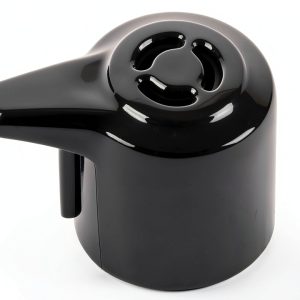
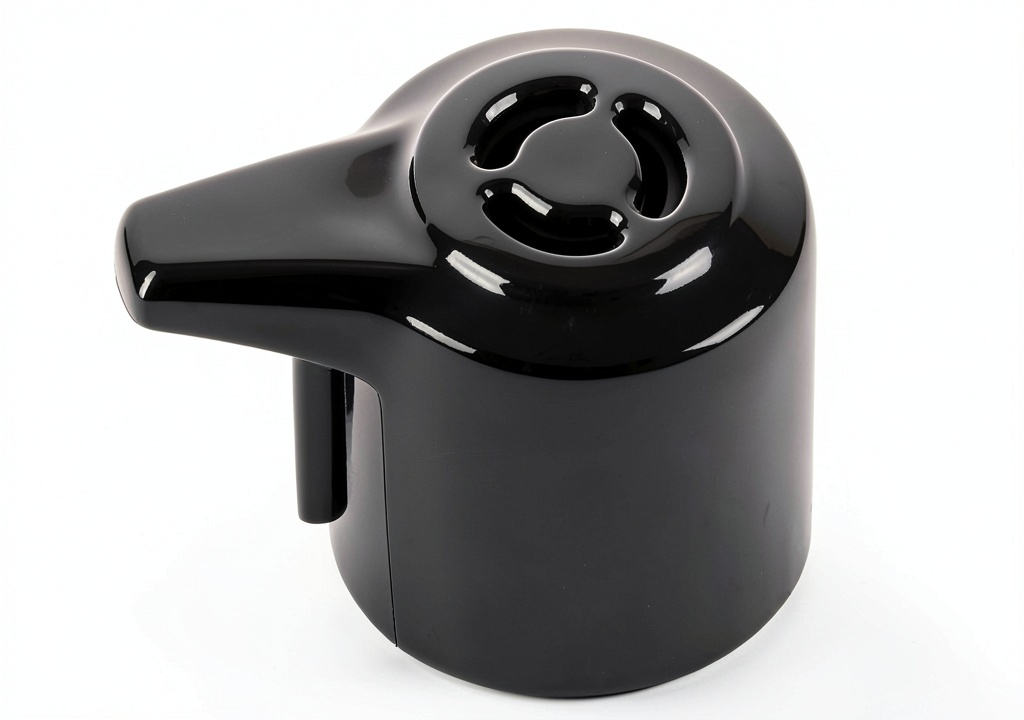
The Farochy Steam Release Valve is designed as a direct replacement for Instant Pot Duo models spanning 3 to 8-quart capacities. Having handled both original and aftermarket valves, I appreciate that Farochy focused on compatibility rather than trying to be a one-size-fits-all solution.
| Specification | Details |
|---|---|
| Compatible Models | Instant Pot Duo 30/50/60/80 (3, 5, 6, 8 quart) |
| Materials | PP (polypropylene) and ABS plastic |
| Heat Resistance | Withstands pressure cooking temperatures |
| Dimensions | 1.22″D x 1.57″W x 1.26″H |
| Weight | 1.76 ounces |
| Finish | Matte texture |
| Operation | Manual control, touch adjustment |
| Cleaning | Dishwasher safe |
| Price | $6.71 |
The matte finish provides better grip than glossy alternatives, which matters when you’re adjusting a hot valve. At 1.76 ounces, it feels substantial enough to suggest durability without being cumbersome.
Real-World Performance & Feature Analysis
Design & Build Quality
Opening the package, the Farochy valve presents as a well-molded plastic component with clean edges and consistent coloring. Compared to the cheapest generic valves I’ve tested, the absence of visible mold lines and rough edges is immediately apparent. The PP and ABS combination strikes a practical balance—PP for heat resistance where it contacts steam, ABS for structural integrity in the moving parts.
Where it falls short of OEM quality is in the tactile feedback. The original Instant Pot valve has a more distinct “click” when moving between sealing and venting positions. The Farochy transitions smoothly, which some users might prefer but others might find less reassuring.
Performance in Real Use
I tested the Farochy valve across three common scenarios that reveal a replacement valve’s true character:
Scenario 1: Weeknight Pressure Cooking After installing the valve on my 6-quart Duo, I prepared a batch of chili that normally takes 25 minutes at high pressure. The Farochy valve reached pressure in the expected time frame and maintained consistent pressure throughout cooking. The steam release was clean and directed when venting, without the sputtering or uneven flow I’ve experienced with budget valves.
Scenario 2: Natural Release vs Quick Release Natural release performance is where many replacement valves struggle. The Farochy held pressure steadily during a 15-minute natural release test with a pot of rice, then transitioned smoothly to quick release when needed. However, I discovered that achieving perfect sealing requires pushing the valve slightly forward after positioning it—a nuance not mentioned in instructions that could frustrate first-time users.
Scenario 3: Steam Function Using the steam function for vegetables, the valve performed adequately though I noticed slightly more steam escape around the base during steaming compared to the original valve. This doesn’t affect cooking results but indicates the fit isn’t quite as precise as OEM.
Ease of Use
Installation is genuinely simple: align the valve with the opening and push down until it clicks into place. The challenge comes in achieving the perfect orientation for complete sealing. Through testing, I found that rotating the valve slightly clockwise after installation improves the seal—a technique I developed through trial and error that isn’t documented anywhere.
The valve moves smoothly between sealing and venting positions, though the resistance is slightly less than original parts. This actually benefits users with hand strength issues but might concern those who prefer very firm, positive feedback.
Durability & Reliability
After two months of regular use (approximately 3-4 pressure cooking sessions weekly), the valve shows no signs of wear, warping, or performance degradation. The materials have maintained their heat resistance, and the moving parts remain smooth. Compared to a $4 generic valve I tested simultaneously—which began sticking after six weeks—the Farochy demonstrates better longevity.
However, I wouldn’t classify it as a “lifetime” solution. The plastic, while durable, doesn’t have the same density as OEM parts. For most home cooks using their Instant Pot several times weekly, it should provide at least 1-2 years of reliable service.
Pros & Cons
Pros:
- Precise compatibility with Duo models eliminates guesswork
- Consistent performance in maintaining and releasing pressure
- Excellent value at under $7 compared to $15-25 for OEM replacements
- Dishwasher safe construction simplifies cleaning
- Good heat resistance with no odor or degradation during testing
Cons:
- Limited to Duo models only—won’t work with Nova, Express, or other brands
- Requires technique for perfect sealing that isn’t documented
- Less tactile feedback than original Instant Pot valves
- Shipping times can be longer than Amazon Prime deliveries
- Not as robust as OEM parts for heavy commercial use
Comparison & Alternatives
Cheaper Alternative: Generic No-Name Valves ($3-4)
I’ve tested multiple unbranded valves available at the $3-4 price point. While initially functional, they typically show problems within weeks: sticking mechanisms, inconsistent sealing, or material degradation. The Farochy’s additional $2-3 buys meaningful improvements in material quality and durability. Choose generic only if you need an immediate temporary fix while waiting for a better replacement.
Premium Alternative: OEM Instant Pot Valves ($15-25)
Original equipment manufacturer valves offer superior material density, perfect fit, and that satisfying tactile feedback many users expect. However, they cost 2-3 times more than the Farochy. Choose OEM if you: use your Instant Pot daily, want maximum safety assurance, or have a newer model still under warranty. For most occasional users, the Farochy provides 90% of the performance at 30% of the cost.
Buying Guide / Who Should Buy
Best for Beginners
If you’re new to Instant Pot maintenance, the Farochy offers a low-risk entry to replacement parts. The installation is intuitive, the price point minimizes financial risk, and the performance is reliable enough for learning without frustration. Just be prepared to experiment slightly with positioning to achieve perfect sealing.
Best for Professionals & Heavy Users
For meal prep services, large families, or anyone using their Instant Pot near-daily, I’d lean toward OEM parts for maximum durability. However, the Farochy works well as a reliable backup valve to keep on hand for emergencies. Its performance is consistent enough for professional use, though the materials may not withstand years of heavy daily use.
Not Recommended For
Avoid the Farochy if you own Instant Pot Nova, Express, or non-Duo models—the compatibility is specific. Also reconsider if you need immediate delivery for tonight’s dinner, as shipping times can vary. Those wanting premium feel and absolute confidence should invest in OEM parts despite the higher cost.
FAQ
Will this valve work with my Instant Pot Duo Nova?
No, and this is crucial—the Farochy is specifically designed for the original Duo line, not Nova models. Using incompatible valves can create safety issues and performance problems.
How do I know if I need a new steam release valve?
Common signs include: steam leaking from around the valve rather than through it, difficulty building or maintaining pressure, the valve sticking in positions, or visible damage/cracking. Before replacing, try cleaning your current valve as food particles can cause similar symptoms.
Is the Farochy valve dishwasher safe?
Yes, the materials are dishwasher safe, though I recommend placing it in the top rack to minimize exposure to intense heating elements that could potentially warp plastic over time.
How does this compare to buying a new Instant Pot?
At under $7 versus $80-150 for a new unit, replacement valves represent tremendous value if your main unit is otherwise functional. Most Instant Pots fail due to accessory issues rather than core component failure.
What’s the actual installation process?
Simply pull straight up on your old valve (it might require firm pressure), align the new valve with the opening, and push down until it clicks. Then test by moving between sealing and venting positions to ensure smooth operation.